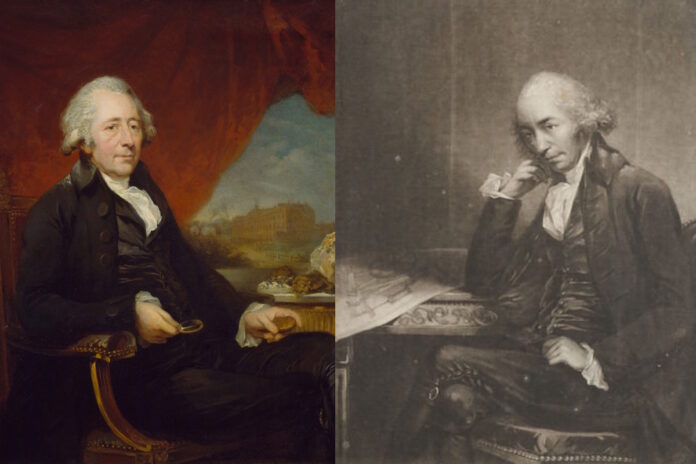

Two 18th Century figures are widely credited with helping transform Birmingham into one of the world’s leading industrial cities.
Engineer James Watt and manufacturer Matthew Boulton formed a partnership and friendship that would go on to play a key role in the Industrial Revolution, with much of their work centred in the city.
Their collaboration combined technical innovation with commercial expertise, allowing new technology to be produced at scale for the first time.
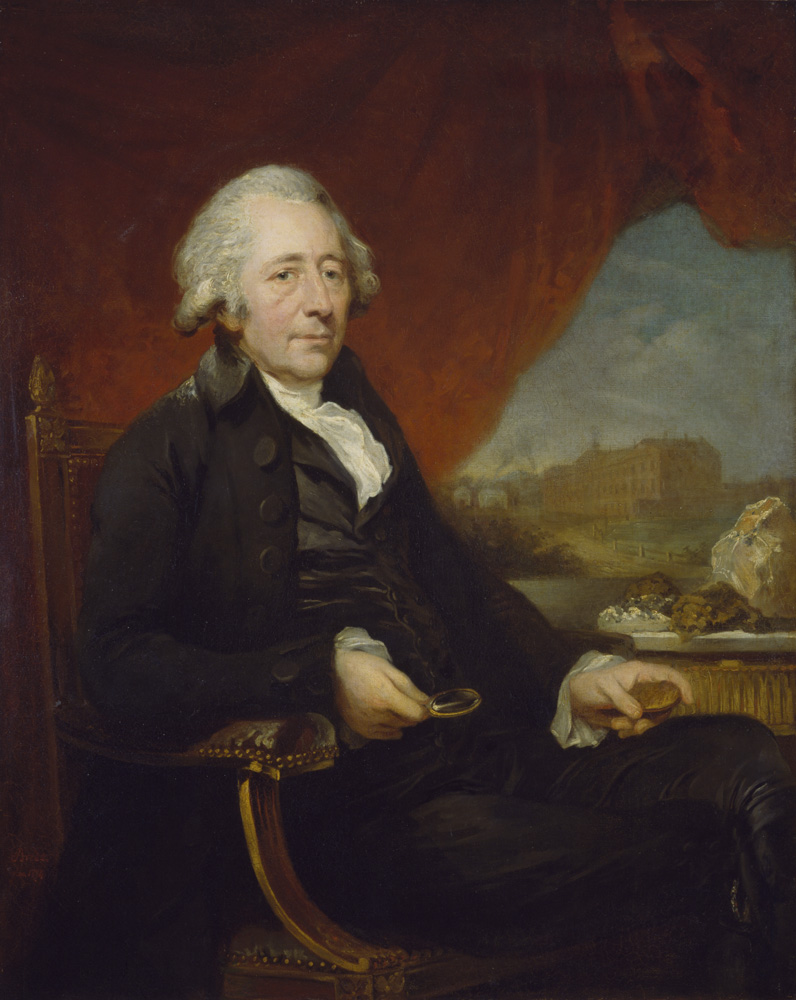
James Watt had developed improvements to the steam engine which made it significantly more efficient than earlier designs.
But it was his partnership with Matthew Boulton, based at the Soho Manufactory in Birmingham, that enabled the invention to be widely adopted.
Boulton provided the financial backing, workforce and manufacturing capability needed to turn Watt’s ideas into working machines used across Britain.
Together, they began producing engines that powered factories, mines and mills, reducing reliance on water power and accelerating industrial growth.
Historians say their work helped cement Birmingham’s reputation as a centre for manufacturing and innovation.
The city’s network of canals expanded to support industry, while workshops and factories grew rapidly in number.
Boulton’s Soho works became one of the first examples of large-scale industrial production, while Watt’s engineering improvements set new standards for efficiency.
This combination allowed Birmingham to compete on a global stage during a period of rapid economic change.
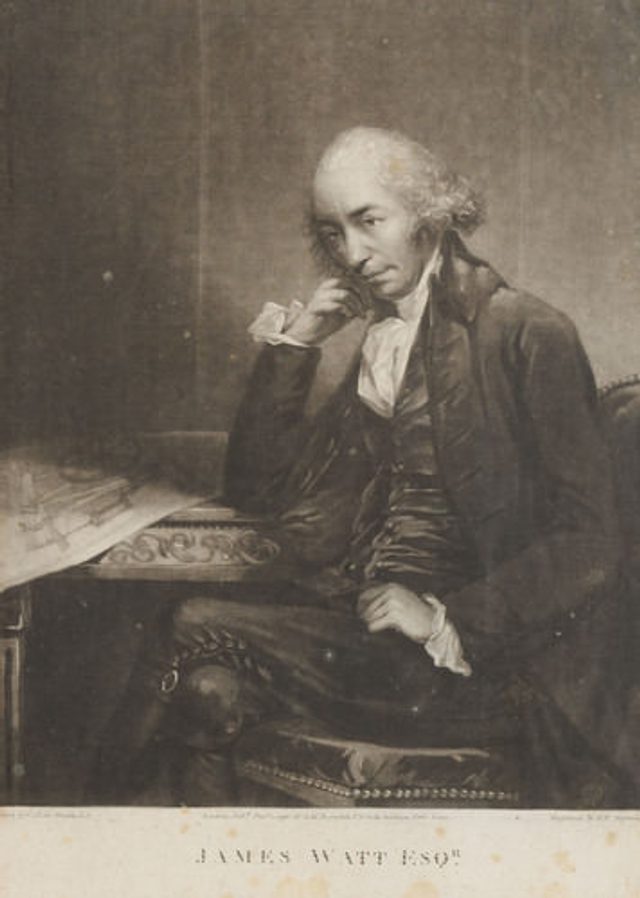
The influence of Watt and Boulton is still visible in Birmingham today.
Their work laid the foundations for industries that continue to operate in the region, including engineering and advanced manufacturing.
Sites linked to their partnership, such as Soho House, remain preserved as part of the city’s heritage.
While their achievements are often viewed in industrial terms, the relationship between the two men was also a personal one.
Correspondence from the time shows they developed a close friendship, supporting each other through both financial and technical challenges.
Their partnership lasted more than two decades and is often cited as an example of how collaboration between innovation and enterprise can drive long-term change.
Although Birmingham’s growth was influenced by many factors, the contribution of James Watt and Matthew Boulton is widely seen as pivotal.
By combining invention with industry, they helped establish the foundations of a city that continues to be defined by innovation.

Exhibits bringing their story to life
Visitors can still explore the legacy of Watt and Boulton through collections held by Birmingham Museums Trust.
At the Thinktank Birmingham Science Museum, several exhibits focus on the Industrial Revolution and the development of steam power. These include historic engines and engineering displays that demonstrate how Watt’s designs worked and why they were so significant.
Interactive galleries explain how steam technology changed everyday life, helping visitors understand the scale of the transformation led by figures such as Watt and Boulton.
Meanwhile, at Soho House Museum (currently closed due to ongoing maintenance issues), once Matthew Boulton’s home, visitors can see where many of these ideas were discussed and developed. The house offers insight into both the industrial and personal lives of the two men, including their role within a wider network of inventors and thinkers.
Together, these sites provide a direct link to Birmingham’s industrial past, allowing people to see how innovation in the 18th Century continues to shape the city today.